
A botanical introduction
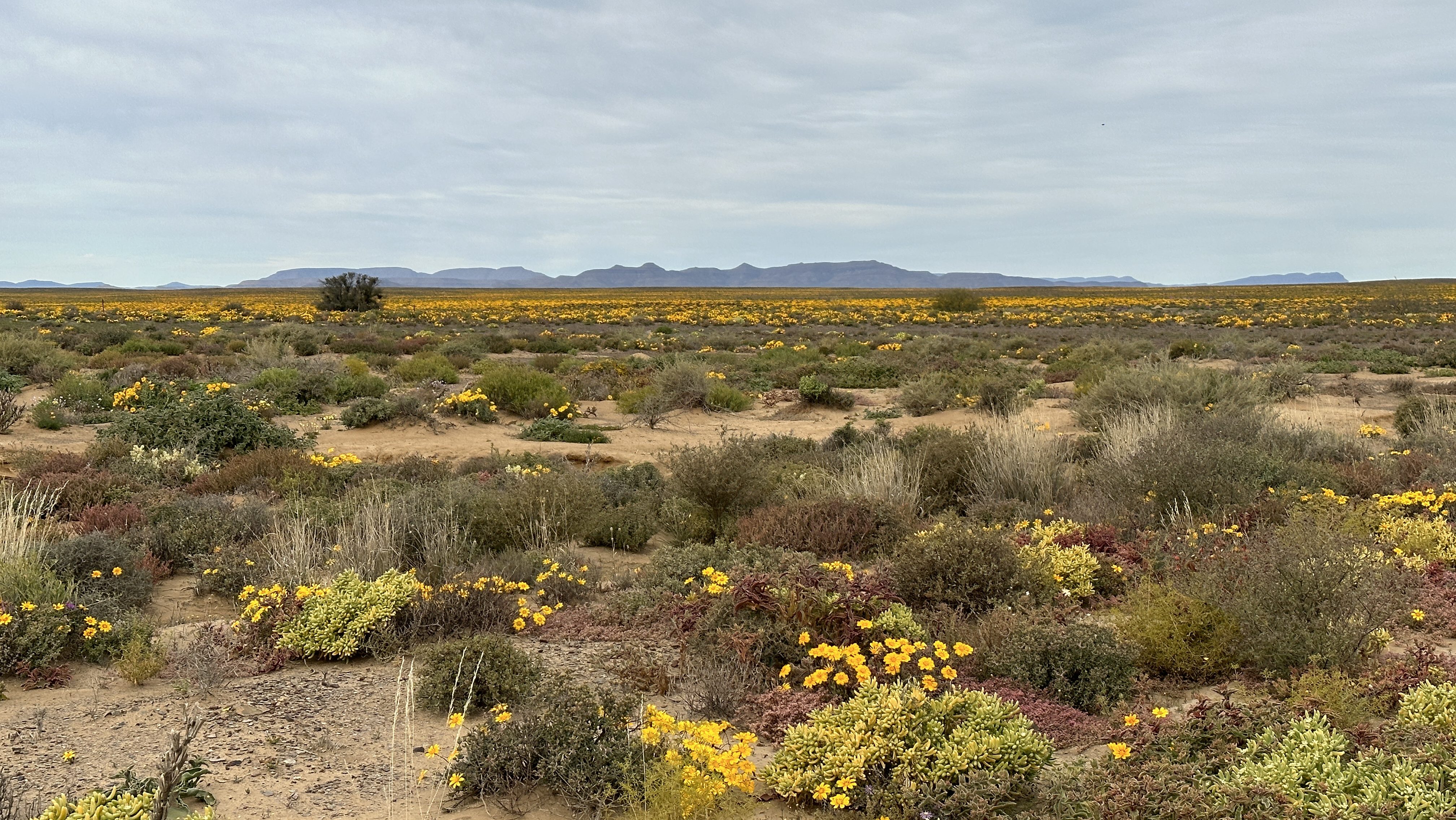
The Succulent Karoo biome is the only recognised biodiversity hotspot in the world with an arid climate. It has an unprecedented level of species endemism (species unique to the area).
What causes this diversity? Probably it relates to the very varied environmental niches that different plants have specialised to grow in. Even though rainfall is low (less than 10 cm a year in the central Tankwa basin), it is very seasonally predictable. The mild winter and early spring temperatures, despite scorching summers, are also a catalyst for spring growth, with impressive floral displays drawing tourists to the area.

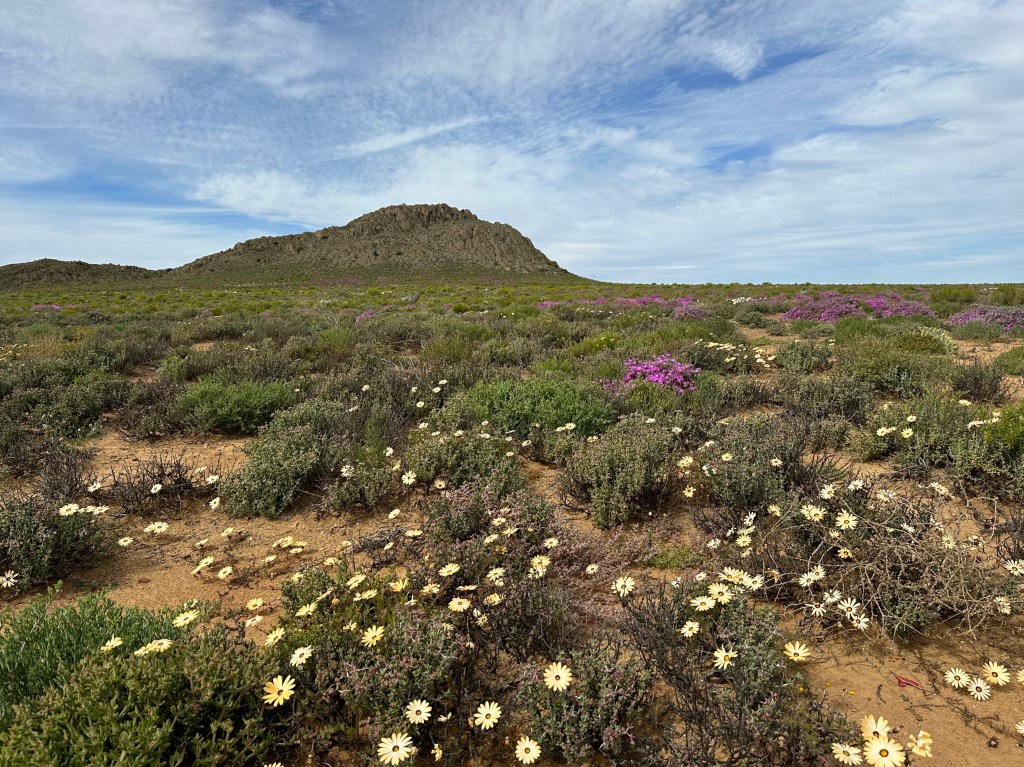
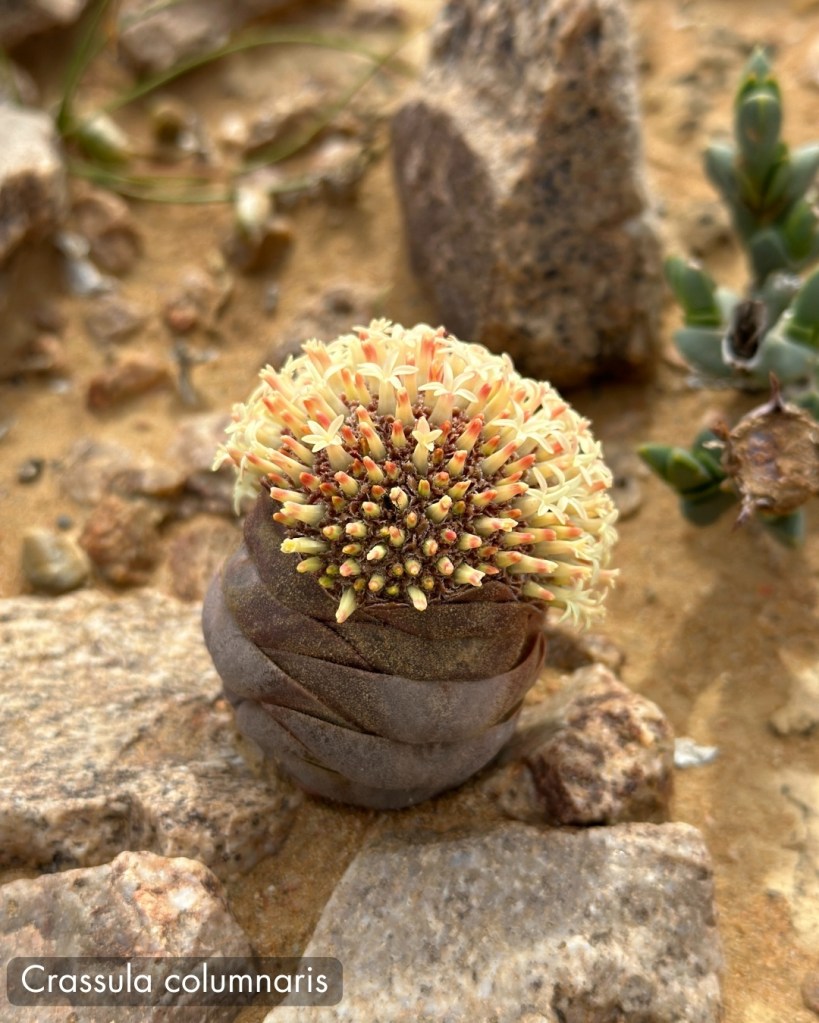
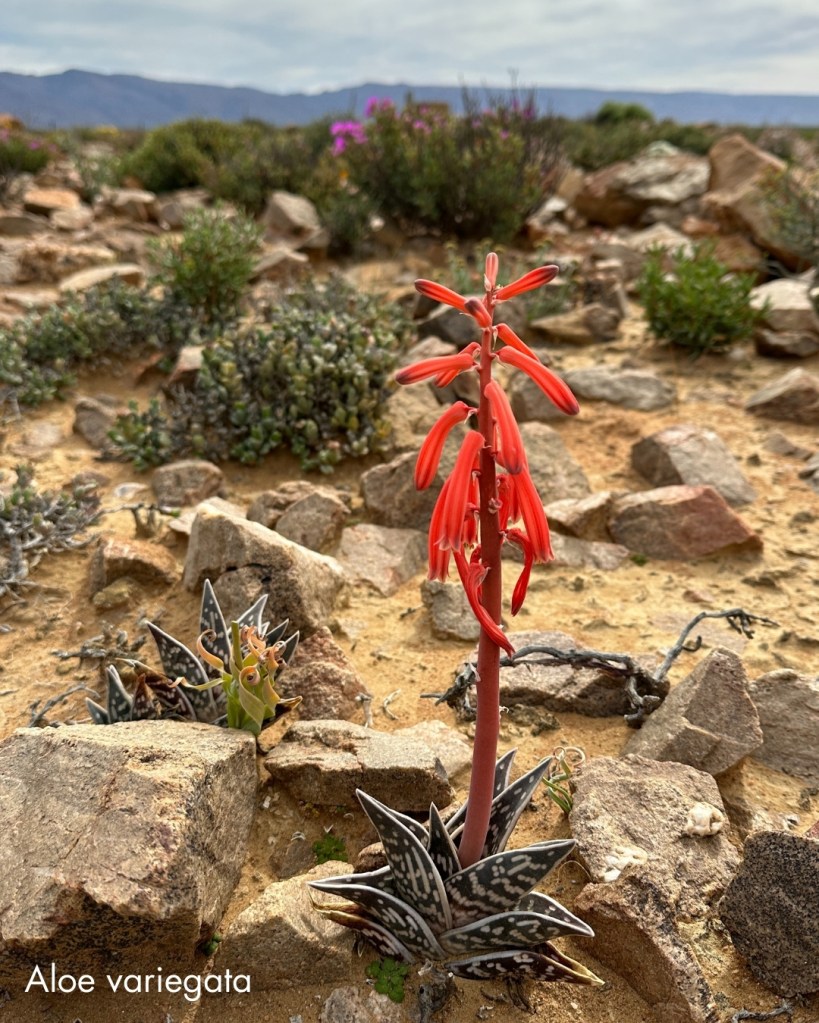
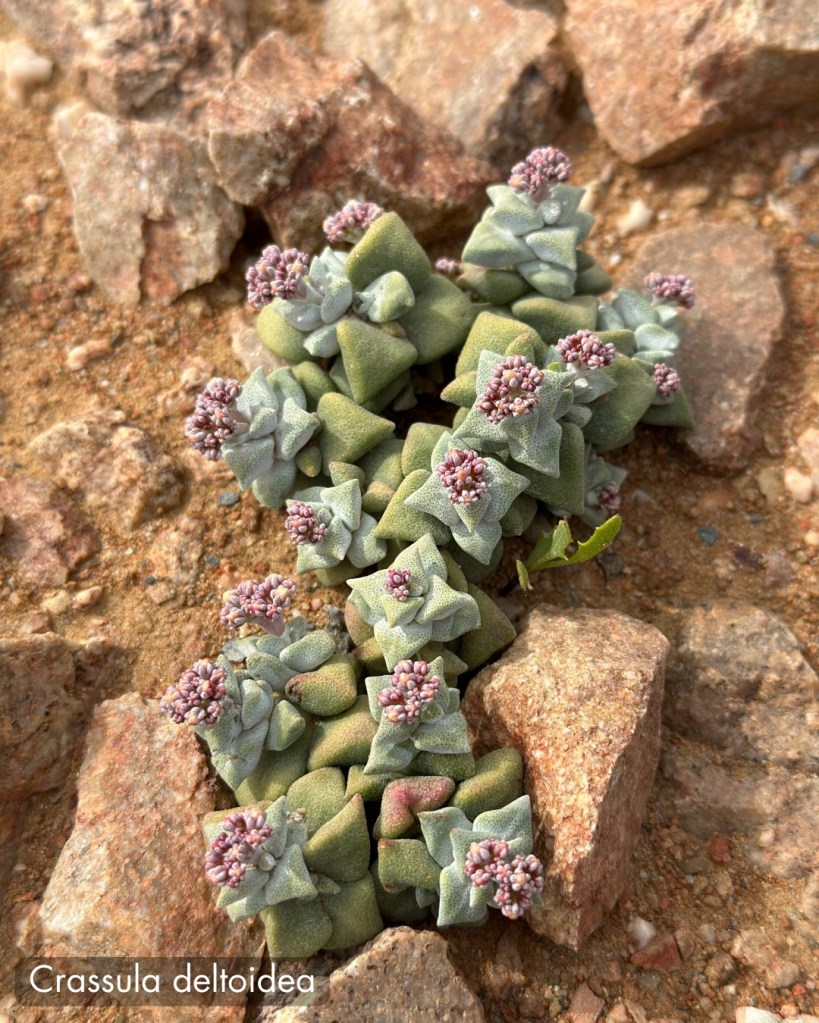
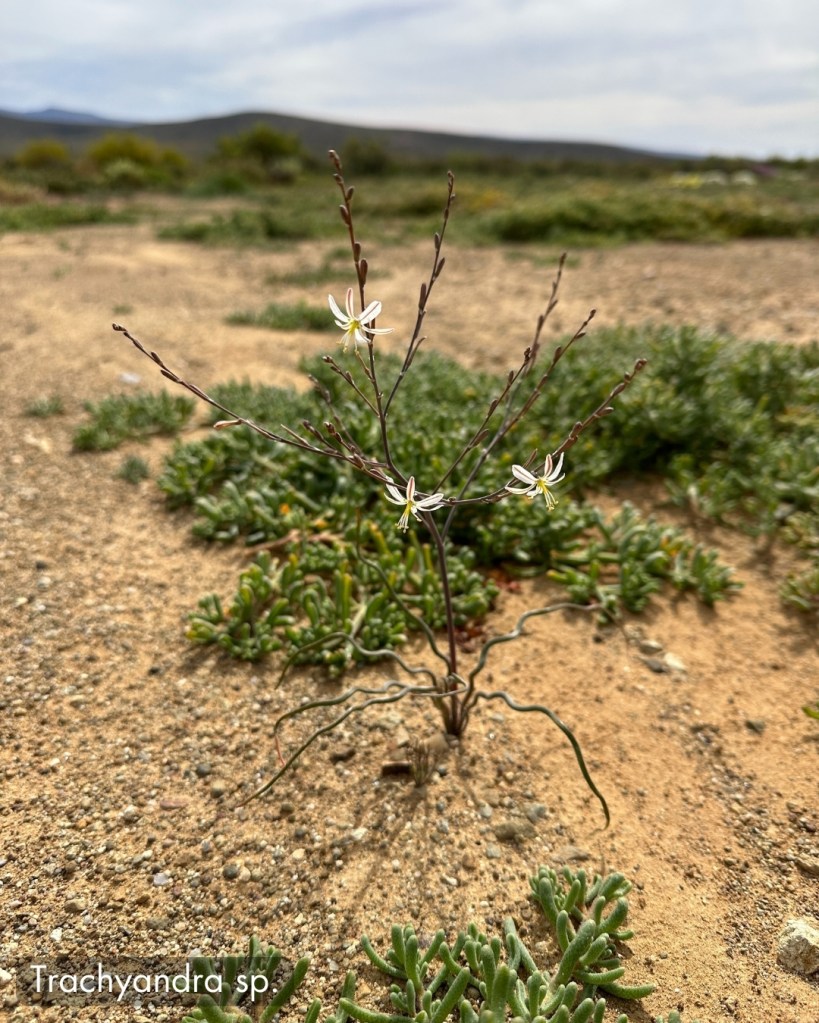
Succulent Karoo vegetation is characterised by succulents and geophytes (underground bulbs). Succulent leaves allow plants to effectively store water. Similarly, geophytes are effectively underground succulents storing their extra energy in carbohydrate-rich tubers, corms and rhizomes. To survive the stresses of summer drought or winter cold they die back to these underground bulbs. These were an important food source for hunter-gatherers in the past – and indeed are still eaten in the present.
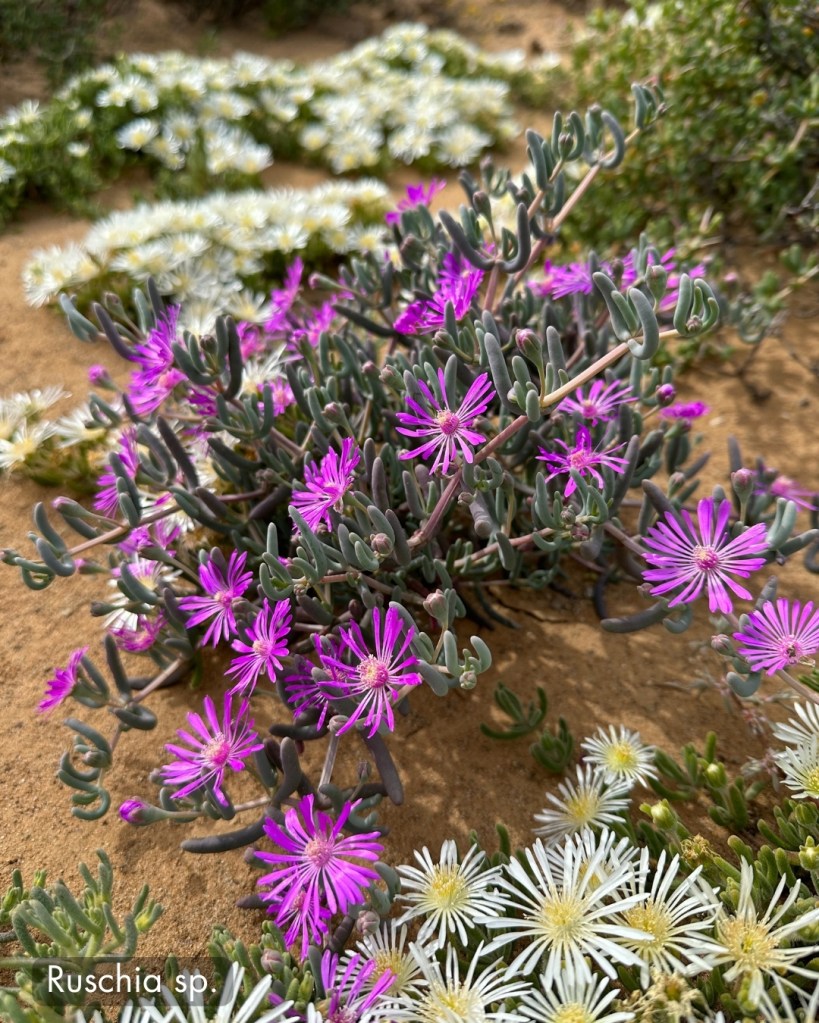
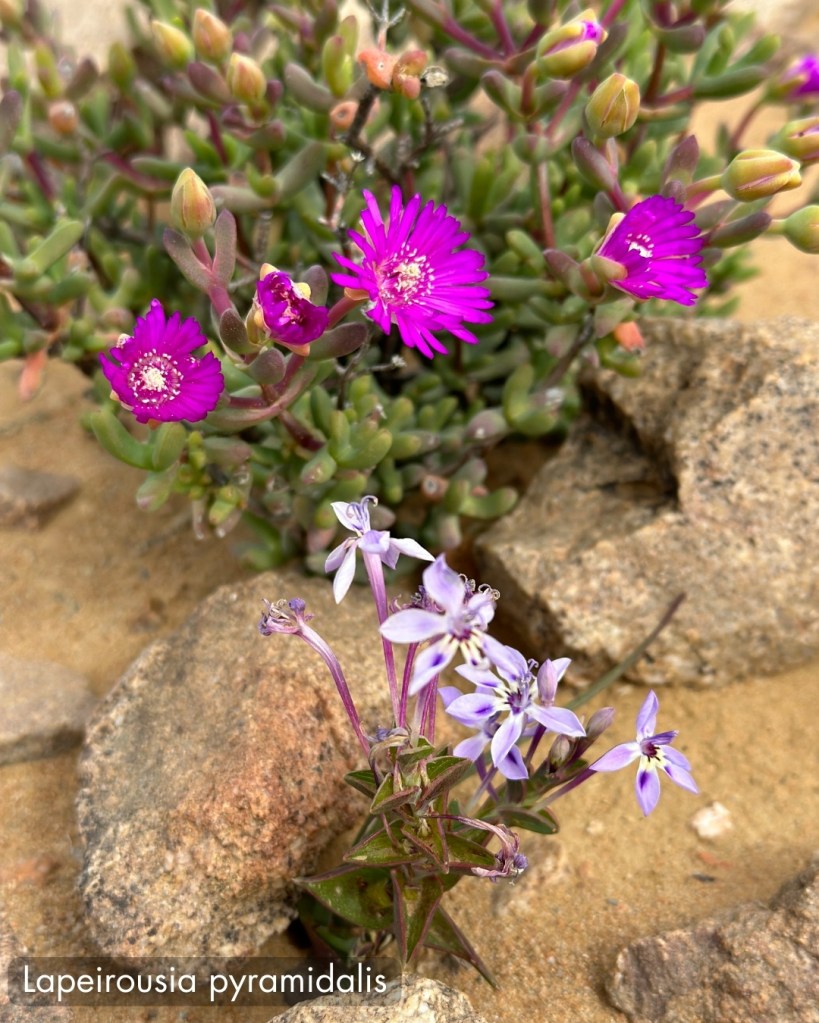
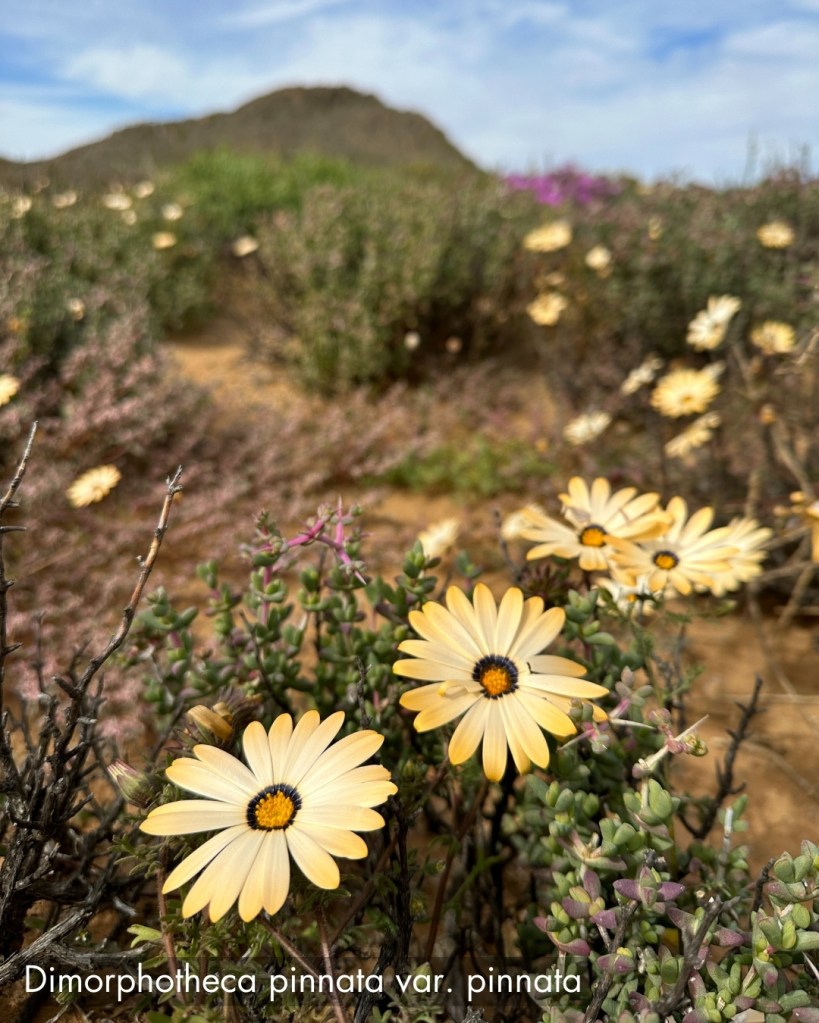
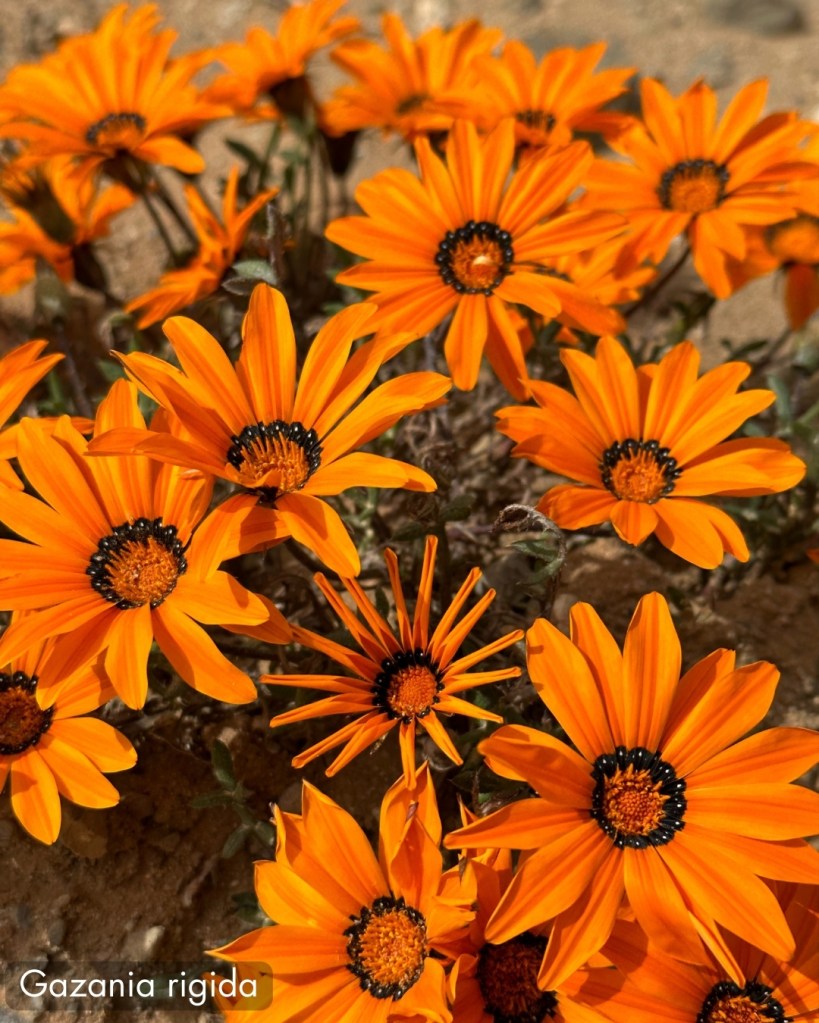
This year has had an unprecedented amount of rainfall, and not just in the winter. Exceptional rains in December (summer) caused sections of the R355 to be completely washed away. The Doring River now is surging with “turbid water” (meaning of the Sonqua word, Tankwa) from rains this winter. This has caused a spring super-bloom of wildflowers splashing vibrant colour across the usually dry and stony landscape.

 TANKWA